
Scams and fraudulent activity are becoming increasingly common and can affect individuals and businesses across many sectors. We are sharing this update to highlight the types of scams currently circulating and the practical steps you can take to protect yourself.
Being informed is one of the most effective ways to reduce risk.
Common Types of Scams
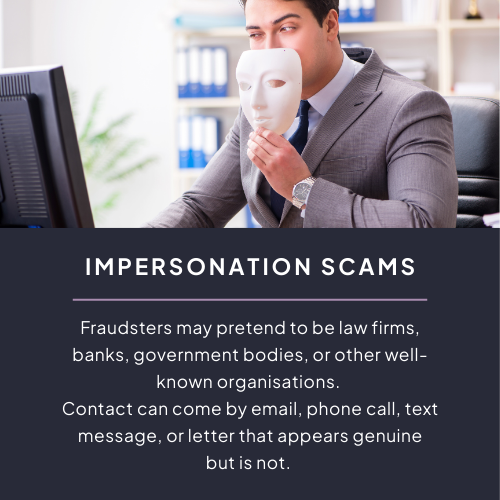
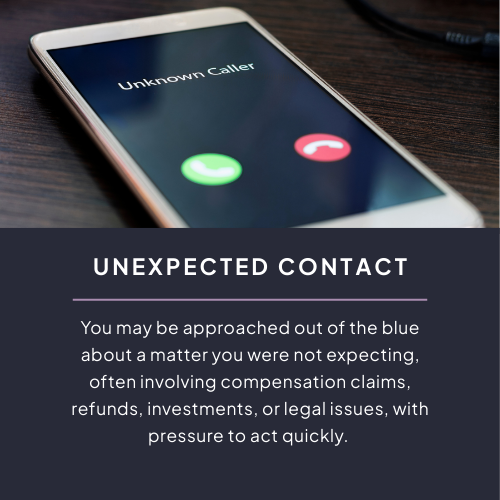
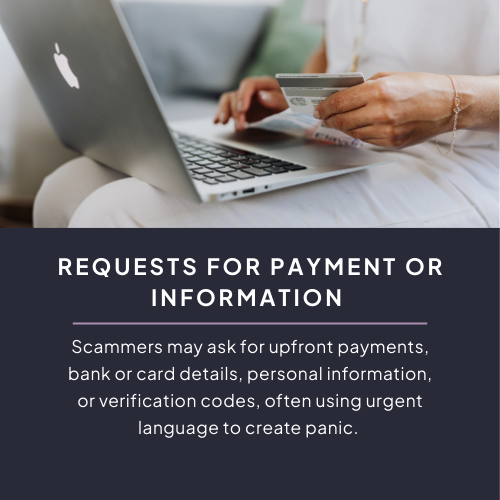
Example of a Reported Scam Call
Some clients have reported receiving calls like the example below. This is not genuine and is shared to help illustrate common tactics:
“Hi, it’s John Doe calling from…. (a firm you may not have heard of). We work with Courmac Legal.”
We just need to take a couple of details from you to verify who you are so we can get this claim moving and see what you could be owed, I can do that now.
We’ve also sent you a document to sign and usually complete this over this phone call today, if that’s ok?”
These calls may sound convincing but often include warning signs such as:
- Contact about a matter you do not recognise
- Claims of being linked to another firm
- Requests for personal details to “verify” you
- Pressure to act immediately or stay on the call
Warning Signs to Look Out For
Be cautious if:
- You are contacted unexpectedly (out the blue)
- You are asked to act urgently
- The communication contains errors or unusual wording
- Payment is requested in an unusual way
- Something does not feel right
Scammers rely on pressure to stop people taking time to check.
Steps You Can Take to Protect Yourself
- Do not provide personal or financial information unless you are certain who you are dealing with
- Do not click links or open attachments from unknown sources
- Verify contact details independently
- Be cautious of unsolicited calls or messages
- Pause and seek advice if you are unsure
If Someone Claims to Be From Our Firm
If you are contacted by someone claiming to represent us and you are unsure:
- Do not provide information or make payment
- Contact us directly using the details on our official website
- Report the contact so we can review it
What to Do If You Think You Have Been Targeted
- Stop engaging with the individual or organisation
- Keep any messages or details received
- Consider reporting the matter to Action Fraud or your bank
- Seek independent advice if needed
Early action can help limit potential harm.
Our Commitment
We are committed to acting responsibly and transparently and to helping protect our clients from harm. This update is intended to raise awareness and encourage caution.
If you have concerns about any communication you have received, please contact us.
This article is for general information only and does not constitute legal advice.