
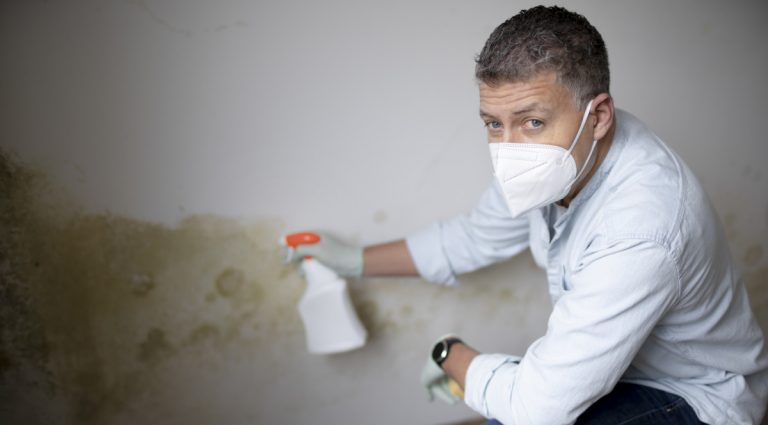
When damp creeps up your walls, when your heating fails in winter, or when leaks damage your belongings, you might wonder: “Is this actually legal?”
You’re not alone. Thousands of social housing tenants across the UK live in conditions that fall well below legal standards. But here’s what many people don’t realise—UK law is actually quite specific about what counts as acceptable living conditions.
If you’re dealing with disrepair in your social housing property, you have the right to report these issues directly to your landlord for free. Many problems can be resolved through your council or housing association’s complaints process without needing legal representation.
However, when landlords fail to act or disputes become complicated, understanding your legal rights becomes crucial. That’s where specialist legal support can make a real difference.
In this guide, we’ll break down exactly what UK housing law says about the conditions you’re entitled to live in, what your landlord must do, and when their failures cross the line into legal breach.
The Legal Framework: What Defines Acceptable Living Conditions in the UK
Acceptable living conditions UK standards aren’t just vague guidelines—they’re backed by specific legislation that protects you as a tenant.
The main laws that define your rights include:
The Landlord and Tenant Act 1985
This is the cornerstone legislation. Section 11 places clear legal obligations on landlords to keep the structure and exterior of your property in good repair. This covers things like the roof, walls, windows, and drains.
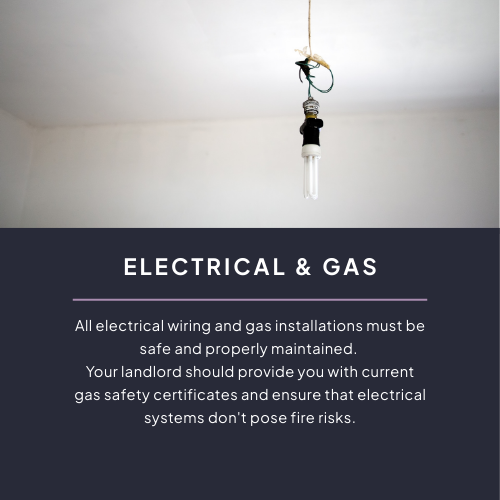
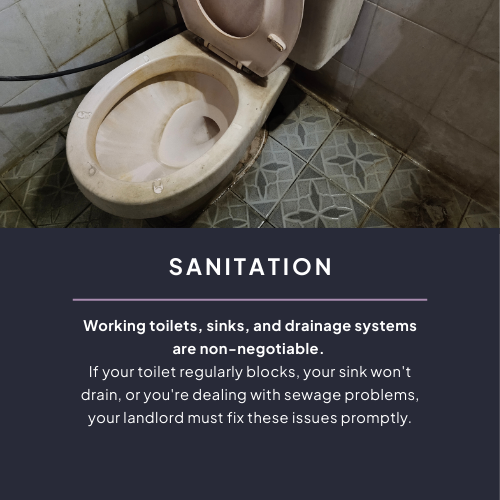
Your landlord must also ensure that installations for water, gas, electricity, heating, and sanitation work properly. That means functioning boilers, working toilets, and safe electrical systems aren’t luxuries—they’re legal requirements.
The Housing Act 2004
This Act introduced the Housing Health and Safety Rating System (HHSRS), which local authorities use to assess whether properties meet acceptable living conditions UK standards. Under this system, serious hazards like damp, excess cold, or structural collapse are categorised and must be addressed.
If an environmental health officer finds Category 1 hazards (the most serious), your landlord can face enforcement action, including fines or prohibition orders.
The Homes (Fitness for Human Habitation) Act 2018
This relatively recent law strengthened tenant protections. It requires that rental properties must be fit for human habitation at the start of the tenancy and throughout. If serious disrepair makes your home unfit to live in, you have legal grounds to take action.
You can read more about your rights on the UK Government’s housing guidance pages.
What Actually Counts as Acceptable Living Conditions?
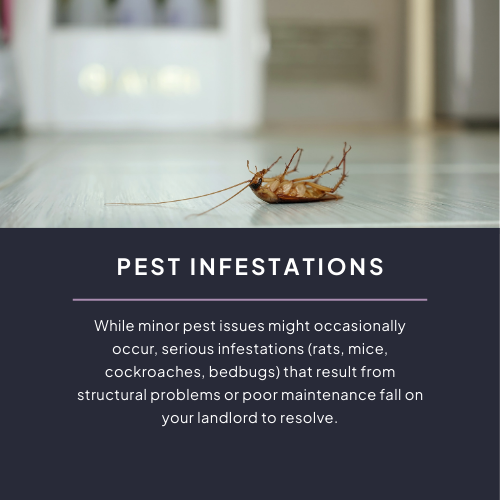
So what does “acceptable” mean in practical terms? Here’s what the law says you’re entitled to:
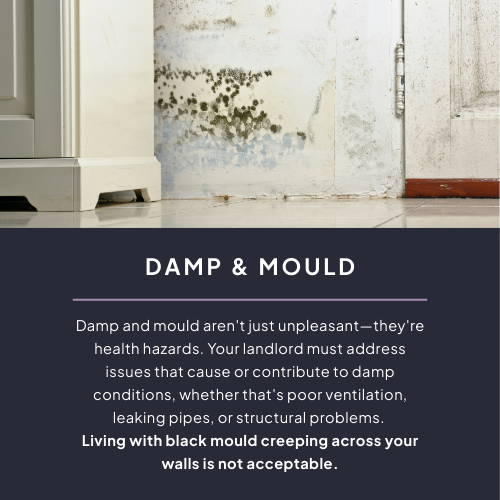
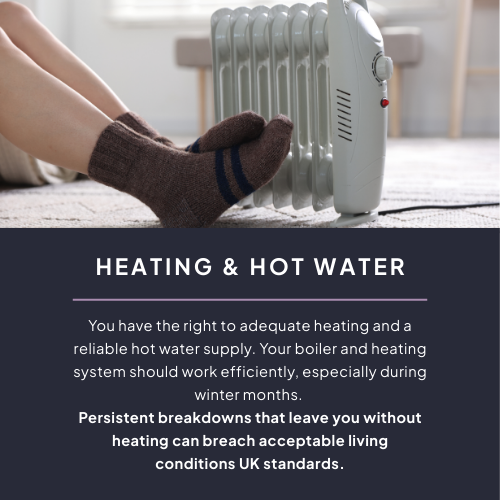
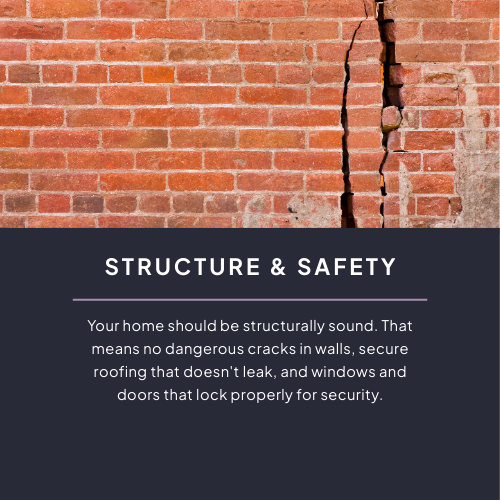
What Your Landlord Must Do
Understanding acceptable living conditions UK law also means knowing your landlord’s specific responsibilities.
Repair Obligations
Once you’ve reported a problem, your landlord must carry out repairs within a reasonable timeframe. What’s “reasonable” depends on the severity of the issue. Emergency repairs like no heating in winter should be dealt with within 24 hours, while less urgent matters might take a few weeks.
Access and Communication
Your landlord should respond to your repair requests and arrange access to carry out necessary work. They must give you at least 24 hours’ notice before visiting, except in genuine emergencies.
Proactive Maintenance
Landlords can’t just wait for you to report problems. They should conduct regular inspections and carry out preventative maintenance to ensure the property remains in good condition throughout your tenancy.
The Shelter website provides excellent resources about landlord responsibilities and tenant rights.
When Living Conditions Cross the Line into Legal Breach
Sometimes, conditions deteriorate so badly that they clearly violate acceptable living conditions UK standards. Here are situations that typically constitute legal breaches:
Persistent Damp and Mould
If you’ve reported damp problems repeatedly and your landlord has either done nothing or carried out inadequate repairs, this is likely a breach. Damp conditions can cause serious health problems, particularly respiratory issues.
No Heating or Hot Water
Extended periods without heating (especially in cold months) or hot water aren’t just inconvenient—they can make your home unfit for habitation.
Structural Dangers
Cracked walls, unstable floors, damaged stairs, or other structural problems that put your safety at risk must be addressed urgently. Ignoring these issues is a serious breach of your landlord’s legal duties.
Water Damage and Leaks
Ongoing leaks that damage your property, belongings, or create damp conditions require immediate attention. If your landlord repeatedly fails to fix the source of leaks, you may have grounds for a claim.
Learn more about housing disrepair and your rights on our Housing Disrepair Claims page.
Real Cases That Changed UK Housing Law
The definition of acceptable living conditions UK standards hasn’t just come from abstract legal principles—it’s been shaped by tragic real-world cases that exposed serious failures in our housing system.
Awaab’s Law: Named After a Preventable Tragedy
In December 2020, two-year-old Awaab Ishak died from a severe respiratory condition caused by prolonged exposure to mould in his family’s social housing flat in Rochdale. His parents had complained repeatedly to their landlord for three years, but nothing was done.
Awaab’s Law came into force on 27 October 2025 following tireless campaigning by Awaab’s family. This landmark legislation sets strict legal timeframes for social landlords to address dangerous housing conditions.
Key Requirements Under Awaab’s Law:
- Emergency hazards (dangerous electrical faults, major leaks) must be investigated and made safe within 24 hours.
- Significant damp and mould must be investigated within 10 working days and made safe within 5 working days.
If your landlord fails to meet these deadlines, you can take legal action for breach of contract.
You can read more on the UK Government’s Awaab’s Law guidance.
The Grenfell Tower Fire and Building Safety
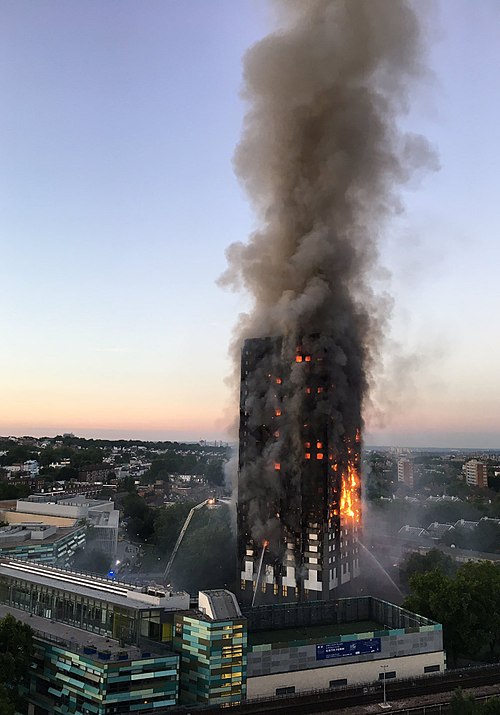
The 2017 Grenfell Tower fire, which killed 72 people, led to the biggest overhaul of building safety law since 1974. The Building Safety Act 2022 established a new Building Safety Regulator and introduced strict requirements for high-rise residential buildings, banning combustible cladding and creating new regulatory oversight.
While this Act focuses on fire safety and construction, its principles have strengthened the broader framework for acceptable living conditions UK standards across all social housing.
Image Source: Natalie_Oxford on Twitter, CC BY 4.0 https://creativecommons.org/licenses/by/4.0, via Wikimedia Commons
Why These Laws Matter
These laws exist because voluntary compliance failed. They prove that when landlords ignore disrepair, the consequences can be devastating. If you’re living with serious disrepair that your landlord has failed to address, these laws strengthen your legal position and give you enforceable rights.
Your Rights When Standards Aren’t Met
If your home doesn’t meet acceptable living conditions UK standards, you have several options:
Report to Your Landlord First
Always start by reporting issues to your landlord or housing association in writing. Keep copies of all correspondence, photos of problems, and notes of phone conversations. This creates a paper trail if you need to take further action.
Contact Your Local Council
Your council’s environmental health department can inspect your property and take enforcement action against your landlord if necessary. This service is free.
Make a Formal Complaint
Social housing landlords must have complaints procedures. Follow these steps before considering legal action.
Consider Legal Action
If your landlord continues to ignore serious disrepair despite your complaints, you may be entitled to compensation for the distress, inconvenience, and any health issues caused by poor living conditions.
At Courmacs Legal, we specialise in helping social housing tenants hold landlords accountable when they fail to maintain acceptable living conditions UK standards. Our team understands the specific regulations that apply to social housing and can assess whether you have grounds for a housing disrepair claim.
You can find details about our fee structure on our fees page.
Taking Action: What Happens Next
If you’re living in unacceptable conditions and your landlord won’t act, here’s what typically happens:
Evidence Gathering
Document everything. Take dated photos of all disrepair, keep repair request records, and note how the conditions affect your daily life and health.
Legal Assessment
A solicitor will review your case to determine if your landlord has breached their legal obligations and whether you have grounds for compensation.
Letter of Claim
Your solicitor will send a formal letter to your landlord outlining the disrepair issues, the legal breaches, and the proposed resolution.
Negotiation or Court
Many cases settle through negotiation, but if necessary, your case can proceed to court where a judge will determine if your landlord has breached their duties and what compensation you deserve.
Conclusion
Acceptable living conditions UK law exists to protect you from having to live in dangerous, unhealthy, or substandard housing. You shouldn’t have to tolerate damp walls, broken heating, or structural problems that your landlord ignores.
Remember, you always have the right to report problems directly to your landlord and your local council for free. These channels resolve many issues without legal involvement.
However, when landlords repeatedly fail to meet their obligations despite your complaints, legal action may be your best option to secure both the repairs you need and compensation for what you’ve endured.
If you’re struggling with housing disrepair in your social housing property, our team at Courmacs Legal is here to help. We’re regulated by the Solicitors Regulation Authority to ensure you receive compliant, professional legal support.
Ready to discuss your housing disrepair situation? Contact Courmacs Legal today to find out if you have a valid claim.